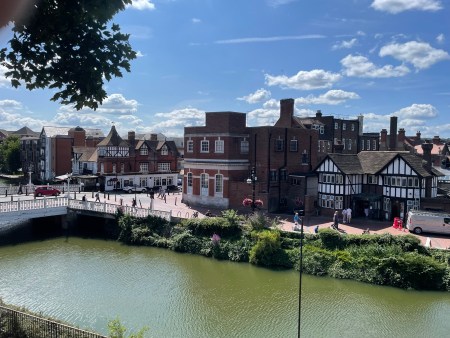
A major overhaul of the UK’s planning and licensing system could soon give Tonbridge’s cafés, pubs, and restaurants the green light to expand more easily—particularly in popular outdoor areas along the River Medway.
The new National Licensing Policy Framework, proposed by the Labour government, aims to simplify and speed up the process for small hospitality businesses to open and grow. For towns like Tonbridge, this could mean more alfresco seating, quicker openings for independent venues, and a more vibrant high street economy.
The reforms are intended to remove the complex patchwork of local rules that have built up over time, which many small business owners see as an obstacle to growth. The streamlined system promises more consistent, transparent, and proportionate decision-making across local authorities.
In Tonbridge, where riverside drinks has become increasingly popular, the changes could pave the way for more outdoor tables, seasonal events, and commercial activity near the water. The area already hosts several cafés and bars with outdoor seating near Big Bridge and Tonbridge Castle, and the new framework could support further development without lengthy approval delays.
The policy also includes protections for existing venues. Under the proposed changes, developers—not hospitality venues—will be responsible for soundproofing new residential buildings that are located near pubs, clubs, or music venues. This shift is designed to protect longstanding local businesses from being negatively impacted by noise complaints following new residential developments.

A further key feature is the introduction of “hospitality zones”—designated areas where it will be easier to set up late-night venues, add outdoor seating, or host events such as street parties. These zones will be identified by local councils in collaboration with businesses and the community. With its walkable high street, riverside setting, and strong mix of independent traders, Tonbridge is well positioned to benefit from such a designation.
Additional reforms also empower councils to auction commercial leases on properties that have been vacant for over a year. This could help breathe new life into unused premises across Tonbridge’s retail spaces and encourage entrepreneurship by reducing entry costs for new businesses.
By cutting unnecessary bureaucracy and encouraging vibrant, community-friendly development, the proposed licensing reforms offer a significant opportunity for Tonbridge’s town centre. If adopted and effectively implemented, the town could see a boost in local trade, greater use of public space, and a more welcoming environment for residents and visitors alike.
Have you subscribed?
Get our weekly newsletter, including a curated list of events for the weekend, straight to your inbox.

Bringing you all the latest news and events in Tonbridge.
Leave a Reply