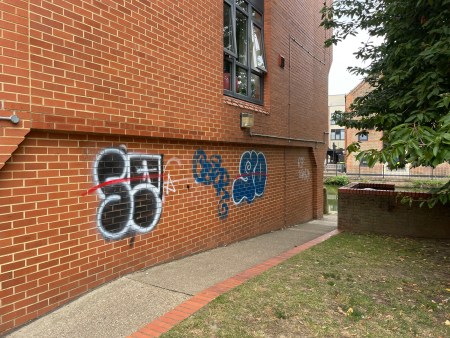
Graffiti has become a bit of a recurring concern in Tonbridge. Since 2024, Councillor Adem Mehmet and MP Tom Tugendhat have taken up the issue—particularly in Trench Ward—alongside wider efforts to curb tagging and vandalism across the town. MP Tugendhat and TMBC has even established his own online reporting tool to help residents flag instances of graffiti, litter, or fly-tipping, facilitating swifter follow-up by council or landowners.
According to the Tonbridge and Malling Borough Council’s 2025 update, waste services recorded 35 graffiti reports across the borough in 2024. While the figures are relatively modest, many establishments, residents, and councillors have still expressed unease over how graffiti may affect perceptions of safety and of neglect. The council swiftly removes offensive tags—aiming for removal within 48 hours on council-owned land, with priorities set for schools, main roads, and town centre sites. For graffiti on private property, the council reaches out to owners and sometimes engages Community Payback teams to assist—success stories include clean-ups at “Cook” on the High Street, the old Peacocks store, Wharf House, and behind the Post Office on Quarry Hill.

Last summer, the council considered but ultimately rejected the idea of establishing designated “graffiti walls”— legal spaces for street art. Councillors dismissed the idea, quipping future Banksy creations notwithstanding.

Elsewhere in the UK, several councils have taken a more constructive stance. Cheltenham now maintains “free walls,” where street artists can work without fear of prosecution—subject to respectful guidelines—and these spaces have become known features of the local landscape Cheltenham Council. Brighton & Hove’s 2024 tagging action plan combines rapid removal of illegal graffiti, enhanced enforcement, community clean-up events, and even preventative paint coatings to deter repeat offences Brighton & Hove City Council. In Wiltshire, Melksham has recently trialled legal art walls, aiming to channel creative energy away from vandalism and into more positive outlets.
While graffiti in itself is generally harmless—even expressive—it can trigger what criminologists call the “broken windows” effect: small signs of neglect may contribute to more serious anti-social behaviour over time if left unchecked. Thoughtful strategies that combine enforcement, engagement, and opportunities for legal expression may offer a way forward for Tonbridge—helping to keep the town both attractive and creative, without sliding down the spiral of disorder.
Have you subscribed?
Get our weekly newsletter, including a curated list of events for the weekend, straight to your inbox.

Bringing you all the latest news and events in Tonbridge.







Leave a Reply