By John Lloyd
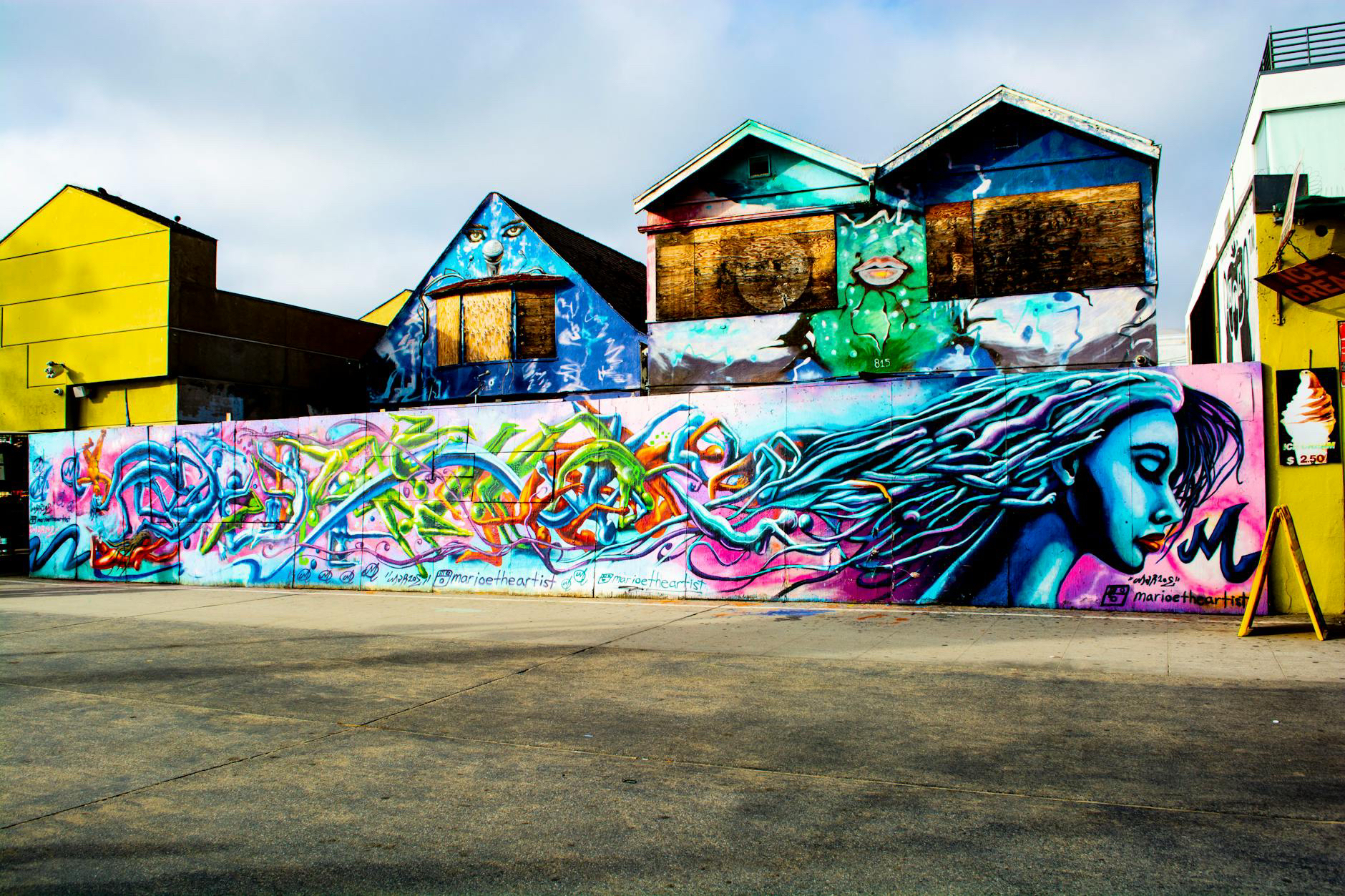
Walking the Camino de Santiago through Spain, I was struck by the way art shaped the journey. Across towns and villages, vast murals covered the sides of buildings. Some depicted local heroes, others reflected regional culture, but all shared one thing: they gave an immediate sense of identity and community. They weren’t hidden away in galleries — they were woven into the everyday fabric of life.
These giant artworks didn’t just decorate. They lifted otherwise plain walls, brightened tired corners, and created reasons to pause. Perhaps most surprisingly, they also discouraged graffiti and tagging. Respectful in tone and ambitious in scale, they turned blank walls into canvases that people valued, rather than surfaces waiting to be vandalised.


How Big Could a Mural Be?
Walls murals want to make an impact and usually oversized. Something subtle at head height won’t necessarily achieve the same effect. A mural wants to dominate its wall, to shout its presence. A large scale would be required for that “wow” factor. The size allows an artist’s vision to come alive and ensures the work is visible from a distance, commanding attention even from those who didn’t set out to look for it.
Tonbridge’s Murals Today and Tomorrow
Tonbridge already has one fine example: the colourful mural on Avebury Avenue. It’s proof that large-scale art can fit into the townscape and become part of the local character. But there are other sites that could benefit from transformation.

- Side of the old Barclays bank (below): currently a blank expanse, it could become the canvas for a mural welcoming visitors into the heart of town. It has good visibility for pedestrians and drivers going north along the high street.

- Old Wharf Building (below): The side of this private building would be visible from big bridge and those using the river.

- Old HSBC Bank building (below). This prominent high section of wall could give a prominent position for a mural facing both directions on the high street.

- Cut through to Botany (below). This large wall has graffiti and occupies and lower street level space.

Learning from Other Towns
Tonbridge wouldn’t be the first place to embrace mural culture. Belfast has long used murals as political and cultural markers. Bristol, birthplace of Banksy, has built a global reputation for street art, drawing thousands of visitors each year. Even London’s Shoreditch has become an open-air gallery, where murals shift constantly but always give the area a sense of vibrancy.
These examples show what Tonbridge could gain. A mural isn’t just art — it can be an attraction, a calling card, and a conversation starter.


Economic and Social Benefits
There are clear economic advantages to murals. Visitors are drawn to colourful, photogenic sites, often sharing them on Instagram or TikTok. This “Instagram tourism” generates extra footfall for cafés, shops, and nearby businesses. A striking mural can be a free advert for the town, circulating online and sparking curiosity.
The social benefits are just as powerful. Murals encourage pride of place and give residents a sense of ownership over their townscape. They can act as landmarks, as meeting points, or as shared reference points that spark conversations. And because they improve neglected corners, murals also contribute to a feeling of safety and care in public space.
Themes for Tonbridge Murals
If Tonbridge were to commission more murals, what should they depict? A few possibilities come to mind:
- Heritage: Tonbridge Castle, the River Medway, the town’s railway history.
- Nature: Kentish orchards, river wildlife, seasonal landscapes.
- Local heroes: sportspeople, artists, campaigners, or notable figures from Tonbridge’s past.
- Contemporary creativity: abstract, colourful designs that show Tonbridge isn’t stuck in history but alive with modern energy.
By mixing history with contemporary ideas, murals could reflect the many sides of Tonbridge’s identity.
Community Involvement
The most successful murals are not just painted for communities but created with them. Local schools, art groups, and history societies could help decide on themes or even contribute designs. Residents could be invited to vote on shortlists, ensuring the final artwork reflects the town’s shared vision.
When people feel a sense of authorship, they are far more likely to respect and protect the finished piece. In this way, murals discourage graffiti not just by their beauty, but by the pride they generate.
Practicalities and Challenges
Of course, commissioning murals requires thought. Funding would need to come from a mix of sources: council arts budgets, local business sponsorship, or even crowdfunding. The artworks must be durable, with weather-resistant paint and anti-graffiti coatings to ensure longevity. And there should be a clear process for curating and selecting artists to maintain quality and avoid controversy.
A Year-Round Canvas
Imagine Tonbridge as part of an art trail, where visitors walk from one mural to another, discovering both new art and local shops along the way. The River Walk, Sovereign Way, Castle Street, and the High Street could each feature striking pieces, drawing people through the town in new ways.
Over time, Tonbridge could gain a reputation not just for its castle and park, but as a creative destination. Seasonal festivals could tie into the murals, with art tours, live painting events, or temporary works that keep things fresh.
Thinking Big
Murals are more than decoration — they are statements of confidence. By commissioning oversized works of a large size, Tonbridge could transform blank walls into vibrant canvases. They would tell stories, spark pride, and create reasons to linger.
As I learned on the Camino in Spain, public art of this scale doesn’t just brighten the journey — it transforms it. For Tonbridge it could be time to think big, and to paint bigger.
Have you subscribed?
Get our weekly newsletter, including a curated list of events for the weekend, straight to your inbox.

Bringing you all the latest news and events in Tonbridge.






Leave a Reply